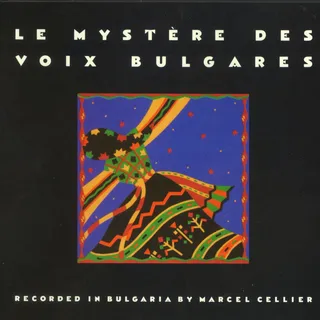
Listening to Le Mystère des Voix Bulgares by the Bulgarian State Radio & Television Female Vocal Choir feels less like hearing an album and more like encountering a force of nature. The voices arrive without warning, cutting through familiar musical expectations and entering a space that feels ancient, unsettling, and overwhelmingly human all at once. Even though the ensemble’s history is well documented, the music still carries an aura of mystery, as if it exists outside of time.
What makes these rWhen the Earth Finds Its Voice: Inside Le Mystère des Voix Bulgaresecordings so striking is how they challenge the mechanics of the human voice. The singers don’t aim for softness or comfort. Instead, they cry out, push air to its limits, and hold notes with an intensity that feels physical. The harmonies are tight and close, often clashing in sharp intervals that vibrate against each other. It can feel almost terrifying, like standing inside a cathedral where the sound swells faster than your body can process it. And yet, there is beauty in that tension—raw, focused, and impossible to ignore.
Beneath the mystique lies a complicated history. These songs began as village music, sung by women while working the land, celebrating weddings, or expressing communal pride. Under Communist rule, that living tradition was reshaped into a national symbol, polished and arranged by conservatory-trained composers. Folk melodies were stretched into multi-part harmonies that blended Bulgarian vocal grit with Western classical techniques, forming a new genre that was both preservation and reinvention. The result is music that carries joy, discipline, and loss all at once.
When the album was reissued in the 1980s by Western labels, it was presented with almost no context. No translations, no faces, no biographies—just sound and mystery. This absence helped fuel its global fascination but also erased the women behind the voices. The music was praised as ancient, otherworldly, and anonymous, while the singers themselves remained largely unseen and undercompensated.
Still, the power of Le Mystère des Voix Bulgares endures. The voices surge, repeat, and collapse in on themselves, chasing emotion rather than resolution. They don’t ask to be understood—they demand to be felt. Even decades later, the album stands as a reminder that mystery often masks labor, history, and identity. These aren’t disembodied voices from nowhere. They are women singing with the full weight of culture, politics, and breath behind every note.
About the Author