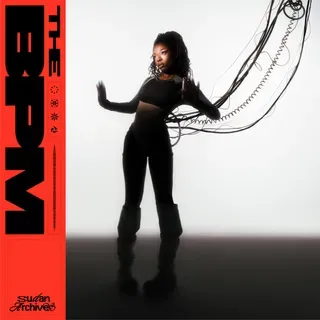
Sudan Archives once named her debut after a Greek goddess and her follow-up after a prom queen. Both titles hinted at grandeur, but beneath the confidence there’s always been doubt. The 31-year-old violinist has built her catalog on contradictions—cracked bravado, bruised glamour, self-made myths that waver at the edges. “I’m not average,” she insisted on 2022’s Natural Brown Prom Queen, as if daring anyone to disagree. No one could. A self-taught fiddler who bent pop’s borders until they warped, Sudan’s music has never belonged to the middle.
Her third album, The BPM, turns that tension inward. It’s a record about ambition and exhaustion, confidence and collapse—an artist trying to dance her way through the comedown. She boasts with a wink (“I got a big bankroll/Yeah, money is my mascot”) even as her post-house beats tremble under the weight of melancholy. On “Los Cinci,” she admits, “Sometimes I can get real low, but I am high right now,” a line that lands like both confession and defense mechanism. The BPM never stops pulsing, but the joy it promises keeps slipping through her fingers.
Sudan knows that the four-on-the-floor can be a trap as much as a release. Her production—built on vintage drum machines, scrappy DAWs, and help from her twin sister and Chicago friends—finds intimacy inside the machinery. Between pounding kicks and shimmering breakbeats, you catch flashes of warmth: a handclap recorded too close to the mic, a violin sighing through static. The details feel human, fragile, alive. For all its talk of her new “Gadget Girl” persona, The BPM sounds less like a digital fantasy than a diary written in sweat and feedback.
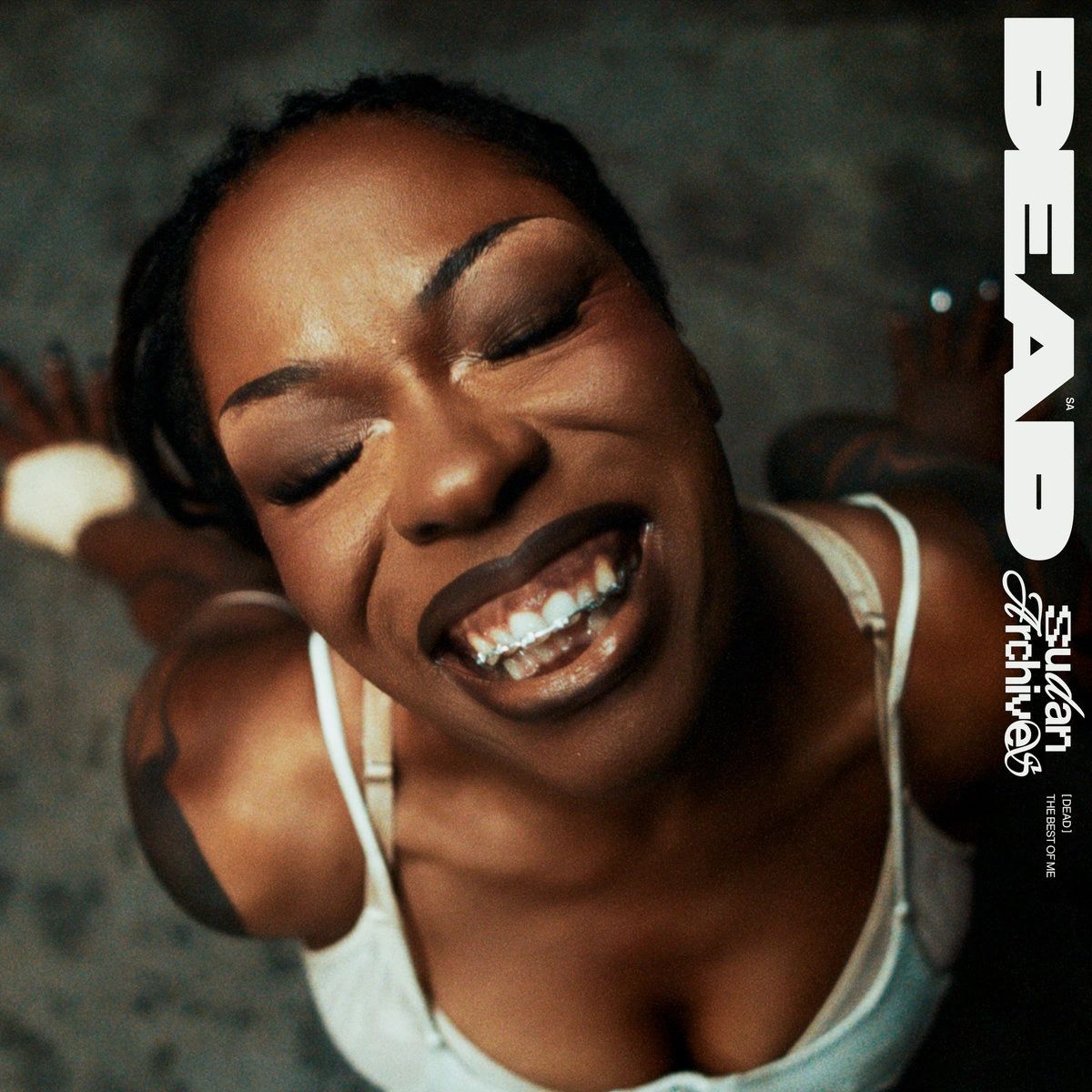
Three years after Prom Queen, Sudan’s world has changed. She’s weathered a breakup, abandoned the incense-soaked bedrooms of her past, and rebuilt herself inside a thumping, fluorescent void. The BPM plays like a breakup album stuck between heartbreak and rebound, its ache buried beneath motion. The opening “Dead” and closing “Heaven Knows” form bookends of grief and grace, while in between she chases freedom through the haze of the club.
If Prom Queen shimmered like daylight, The BPM is pure night—colder, denser, heavier. The bass hits harder, the melodies dissolve faster, and even her violin, once a lifeline, is pushed to the margins, flickering in and out like memory. On “She’s Got Pain,” a stray Irish jig spirals into a techno breakdown; on “Ms. Pac Man” and the stunning “Noire,” she sinks into the shadows, her voice splintered and spectral.
For all its chaos, The BPM feels painfully of-the-moment: a portrait of survival through movement. Sudan’s characters keep running because stopping might mean feeling everything. Beneath the strobes and synths, she’s asking what happens when even joy starts to feel like labor—when the beat that keeps you alive is the same one wearing you down.
About the Author