I don’t know about you, but I’ve felt that kind of hate rise up before. Not a productive anger, not something you can channel into change — just a raw, nauseating wave that surges from nowhere and demands release. That’s the best way to understand the enduring power of Slipknot’s 1999 self-titled debut. It’s hate without a clear source or target, with no nostalgia for what came before and no illusion of what’s next. It’s pure immediacy — a furious present tense. For all its grotesque intensity, Slipknot is strangely meditative: a kind of chaotic Zen, an album so consumed by misanthropy that its only logical sequel was “People = Shit.”
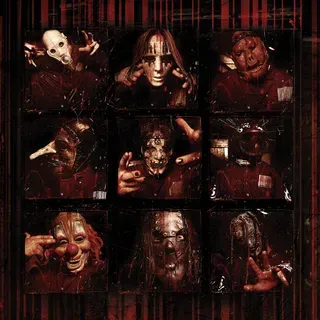
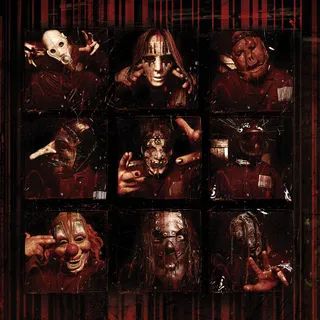
The 25th anniversary reissue of Slipknot arrives dressed up for posterity — a sleek new cover, six LPs’ worth of demos and outtakes, and a $250 price tag that’s already sold out. You can still find the original CD in “acceptable” condition for a few bucks, which might be the most authentic way to experience it: scratched, loud, and buried in a CaseLogic binder. Still, the anniversary set — with its blood-spatter vinyl and deluxe packaging — is less about refinement than recognition. It cements Slipknot’s legacy as the unlikeliest of metal institutions, a band that turned Iowa rage into global spectacle.
Every nu-metal titan gets their reckoning. Korn’s debut became a dark autobiography of childhood trauma; Deftones’ art-rock edge aged into respectability; even Limp Bizkit has been reclaimed as camp. Slipknot, though, was always the most absurd — and the most sincere. Everything about them was excessive: nine members, orange jumpsuits, clown masks, a turntable player in a metal band. Yet the absurdity was the point. The Iowa of Slipknot wasn’t a backdrop; it was the main character. Their fury didn’t come from industry collapse or politics — just the void of being stuck in the middle of America, where nothing happened and that nothingness festered.
In their first Rolling Stone profile, Slipknot were introduced as paradoxes: nice Midwestern boys playing monstrous music. Without trauma or ideology to lean on, they went straight for the emotion — primal, unfiltered, ridiculous. “I’m hearing voices but all they do is complain!” Corey Taylor screams on “Eyeless,” and that’s the album in one line: relentless, compressed catharsis. The tempo only slows when it’s time to make the aggression hurt more.
Slipknot wasn’t a refinement of nu-metal; it was its purest expression. Korn had mixed metal with hip-hop’s swagger and grunge’s gloom. Slipknot took the formula and stripped it to nerve endings — no groove, no irony, just volume and velocity. Their riffs came from death and black metal; their turntables weren’t there for beats but abrasion. And buried inside the chaos were flashes of pop instinct: the “Amen” break in “Eyeless,” the melodic hook of “Wait and Bleed” — a pop-punk anthem mutilated in a locker room. Taylor’s scream-singing made the pain catchy, which might be the most terrifying part.
The jumpsuits and numbers could symbolize the dehumanization of American life, but mostly they made the band look like a deranged sports team or a cult militia — fitting, since Slipknot ran on military discipline. Producer Ross Robinson, the so-called “nu-metal drill sergeant,” coaxed their violence into precision. He once hurled flower pots at drummer Joey Jordison during recording; Jordison responded by playing faster, harder, better. His drumming alone — like an industrial turbine on fire — defined the sound of modern metal.
Slipknot weren’t without their awkward moments. Tracks like “Prosthetics” and “Tattered & Torn” show a band still finding its balance between chaos and structure, while “Spit It Out” remains their most divisive moment — part Static-X, part schoolyard rap battle. But even their missteps feel instructive. They show a group trying to force a new shape out of heavy music — something ugly, loud, and unashamedly adolescent.
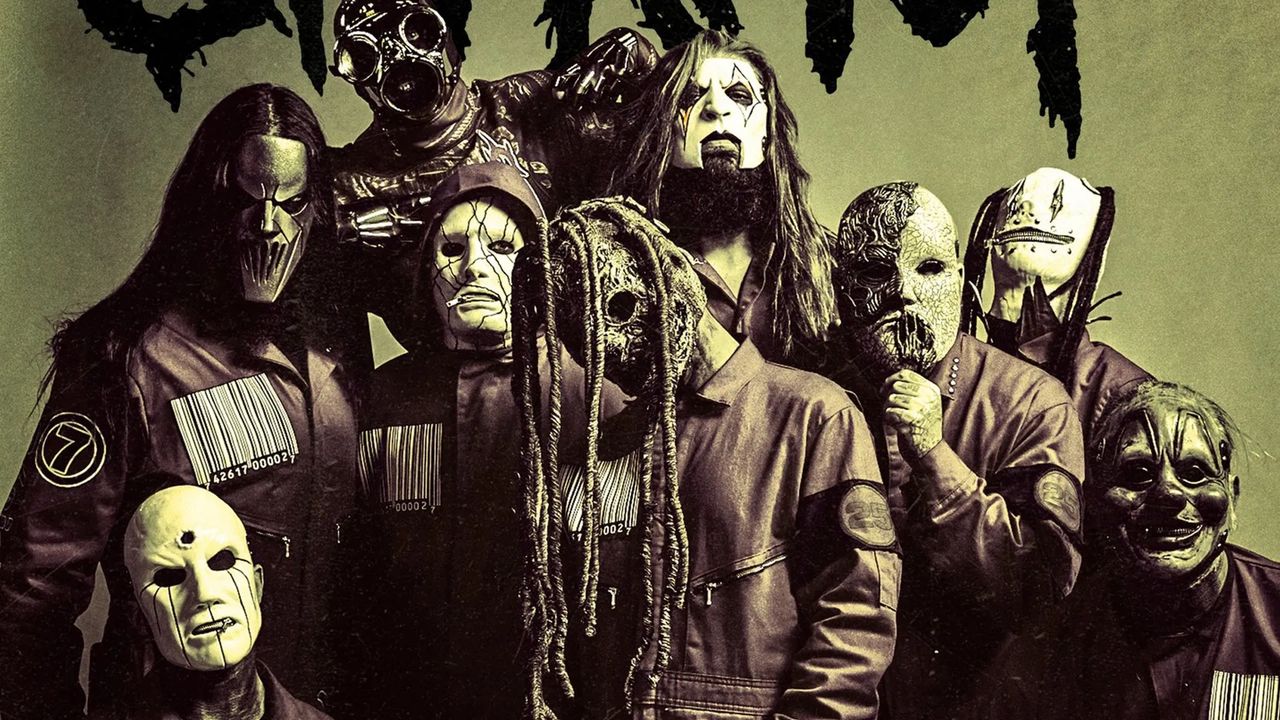
The evolution is captured best not on the reissue’s bonus material, but in their videos. Watch “Wait and Bleed”: a sweaty, sunburned performance filmed at a local Iowa airfield in front of dazed festival-goers. It’s ugly and real. Two years later, the “People = Shit” video shows a different band — synchronized, sleek, commanding a London arena. They’d gone from regional freakshow to global headliners, without ever softening their edges. Ironically, just as they reached their peak, the genre around them began to collapse. Korn, Limp Bizkit, and others were fading, while Is This It and The Blueprint were reshaping youth culture. In a post-9/11 America desperate for unity, Slipknot’s nihilism felt too raw, too ugly — too true.
And yet, Slipknot didn’t disappear. They thrived. Iowa was even heavier and debuted higher. They became arena rockers with arena-sized problems — addictions, lawsuits, brawls — but they stayed. Twenty-five years later, their DNA runs through modern metal and underground hip-hop alike, from Rico Nasty to Ghostemane. The masks are everywhere now, but none of the new imitators capture that original, working-class dread — the sense of kids making horror out of boredom because nothing else felt real.
Maybe that’s the paradox of Slipknot. It was angry music made by people with enough comfort to feel disillusioned. Taylor rhymed “malevolent” with “decadent” because he could — because he knew the sickness he was screaming about was his own luxury. Every chorus boils down to the same four thoughts: “Fuck this,” “I’m done,” “You’re next,” “This is war.” Adolescent? Absolutely. But also honest — the language of a generation that could only describe its world by screaming back at it.
Slipknot didn’t heal anything. They didn’t mean to. They just made the noise loud enough for the rest of us to hear our own fury echoing back.
About the Author