For an artist so easily recognizable, Shlohmo has never been easy to pin down. Since emerging from the Los Angeles beat scene in the late 2000s, Henry Laufer has treated genre like clay—stretching, burning, and tearing it apart until it fits his particular shade of melancholy. His music has always existed in that hazy borderland where hip-hop meets shoegaze, where tape hiss counts as percussion and emotion is measured in the weight of reverb. In Shlohmo’s world, beauty is something you have to dig for—buried beneath static, distortion, and a kind of slow-motion dread that feels both cinematic and claustrophobic.
He first caught the internet’s attention with his 2012 rework of Jeremih’s “Fuck U All the Time,” a remix that turned a flirty R&B jam into a haunted confession. The original was lusty and playful; Shlohmo’s version was sick with longing, like someone whispering sweet nothings from inside a fever dream. That tension—between intimacy and corrosion, pleasure and decay—has defined his work ever since. Even when collaborating with A-list names like Drake or Post Malone, Laufer sounds most at home alone, hunched over a glowing laptop in a room where the only light comes from his own screens.
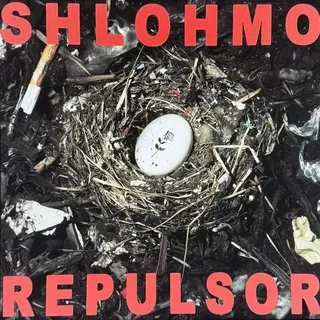
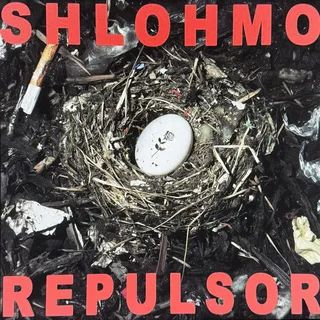
On Repulsor, his fourth album, Shlohmo sounds less like a producer and more like an exorcist. The record is a bruising, volatile listen—half industrial metal, half digital hallucination. It’s the culmination of a decade spent building toward chaos. Where 2015’s Dark Red hinted at emotional collapse and 2019’s The End found him suspended between doom and beauty, Repulsor dives straight into the abyss. The result is music that feels scorched and alive, like circuitry catching fire.
The album’s heaviest moments—“The Thing,” “Fistful of Dirt,” “Slime Heaven”—detonate with catastrophic force. Synths growl, guitars snarl, drums shatter under their own weight. You can hear Laufer pulling the seams apart, daring his own compositions to implode. There’s a physicality to these songs, a sense that the sound could split open your speakers at any moment. But for all their aggression, there’s an underlying tenderness, too. His noise isn’t nihilistic—it’s cathartic, the sound of someone refusing to look away from the ugliness of emotion.
When Repulsor slows down, it reveals the pulse beneath the rubble. “Resin” feels like wandering through fog, every texture soft but slightly poisoned. “Light in a Tunnel” plays like the ghost of an old R&B loop stretched until it becomes something sacred. The standout, “Henry’s Demise,” revisits the humid anxiety of his early work—a warped piano loop gasping for air under layers of hiss and skittering drums. It’s here that Shlohmo’s genius as a beatmaker re-emerges: his ability to make something broken sound deliberate, even beautiful.
The closing track, “Lola’s Theme,” feels like a breakthrough—a rare moment of clarity after 40 minutes of chaos. Bit-crushed snares ricochet off shimmering synths, carving out something unexpectedly luminous. It’s messy and ecstatic, like sunlight filtering through dirty glass. For the first time, Laufer seems to find peace in the same distortion he’s been battling all along.
.webp/:/rs=w:1280 "Shlohmo")
Repulsor isn’t an easy record, but it’s a fascinating one. It’s an artist halfway between implosion and transcendence, chasing new shapes for old pain. There are moments where the violence of the sound blurs into monotony, where emotion gets buried under the avalanche. But even then, Shlohmo’s intent is clear: to make music that wrestles with its own form, that refuses to stay clean or comfortable. He’s not interested in beauty that comes easy. He wants the kind that has to be clawed out of the dark.
About the Author