Have you been keeping up with Bill Orcutt lately? Over the past decade and change—ever since 2011’s explosive How the Thing Sings—the San Francisco guitarist has been on an extraordinary creative streak. Alone, in collaboration, or in his self-doubling quartet experiments, Orcutt has reinvented what the guitar can express, both technically and emotionally. His playing burns with tension and tenderness, threading rage with awe, joy with uncertainty. Every fragmented melody he tears apart and rebuilds feels like watching chaos make sense in real time, as though chance itself were composing with intent. His music is an emotional puzzle that constantly redraws its borders—at times meditative, at others disorienting, but always alive. From his work with sampled Perry Como vocals on How to Rescue Things to his sprawling solo improvisations, Orcutt has remained one of the most prolific and essential guitarists of this century.
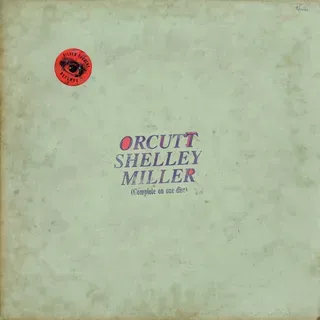
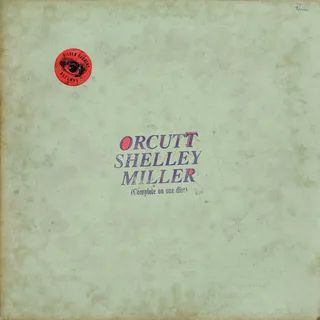
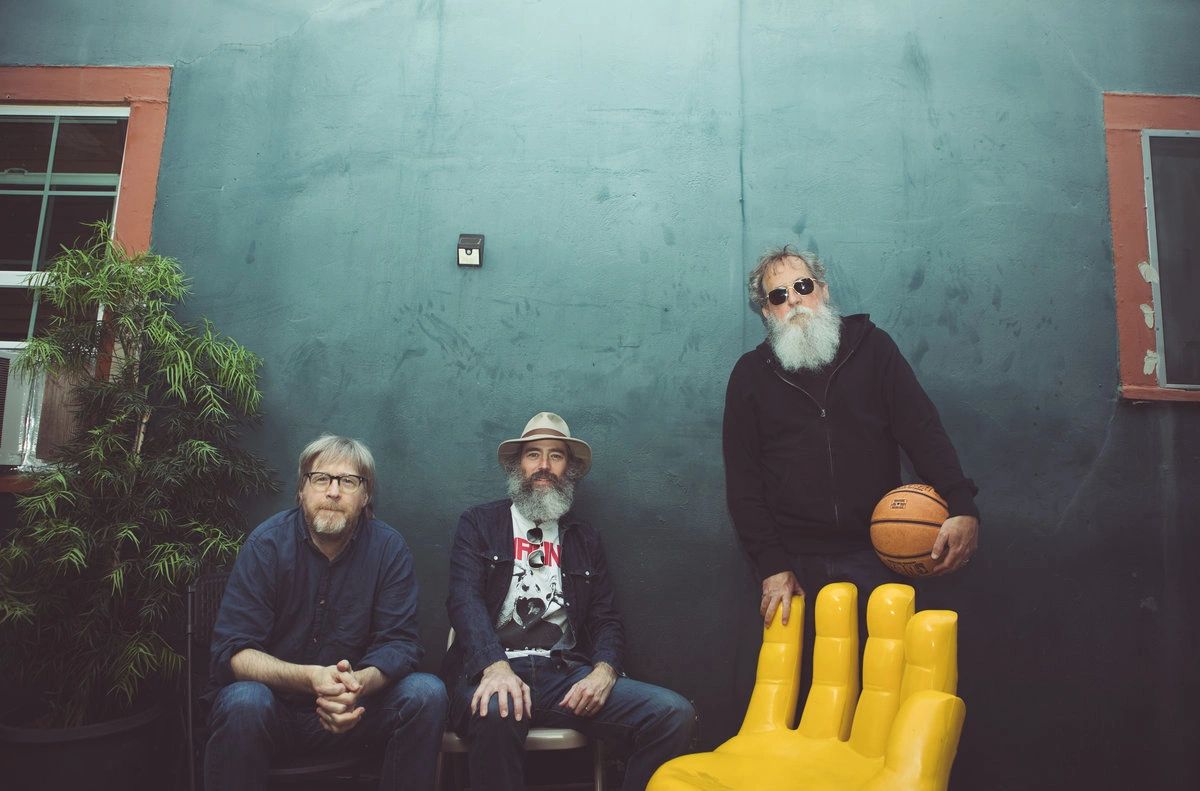
Now, Orcutt is fronting a rock trio, but not as a nostalgic throwback to his brutal ’90s band, Harry Pussy. This new group—Orcutt Shelley Miller—finds him exploring a tighter, more explosive balance between structure and chaos. With Steve Shelley, the rhythmic heartbeat of Sonic Youth for nearly 30 years, behind the kit, and Ethan Miller of Comets on Fire and Howlin Rain on bass, the trio brings together players who understand how to hold tension without letting it snap. Recorded live at Zebulon in Los Angeles during their first performance, the five-track, self-titled debut feels spontaneous yet intentional, a study in improvisation wrapped in the language of rock.
Rather than diving into endless noise jams, they approach each piece like a jazz group—starting from a recognizable theme, then dismantling and remaking it midair. The opening “An L.A. Funeral” nods to Neil Young’s “Cortez the Killer” before detouring into restless, angular fits of distortion. “A Long Island Wedding” begins as a gentle drift, all bass warmth and melodic shimmer, before Orcutt yanks the mood sideways, turning tenderness into tension. Shelley and Miller follow him instinctively, reshaping rhythm and texture as the trio swerves between release and restraint. When they finally converge, it’s a moment of ecstatic precision—raw, loud, and beautifully controlled.
Across all five tracks, Orcutt pushes his guitar to the brink, testing the limits of what a riff or idea can sustain. Just as a pattern feels exhausted, he finds a new way forward, with Shelley and Miller pivoting around his impulses like dancers reacting to a sudden shift in light. On “Unsafe at Any Speed,” Orcutt’s staccato bursts threaten to burn out, only for him to seize one note and let the band whirl around it until they all land together in an exhilarating finish. In “Four-Door Charger,” the trio edges toward collapse—a riff looping endlessly, time threatening to freeze—until they collectively accelerate, breaking free in a shared surge of relief.
These moments of near-disaster and recovery are what make Orcutt Shelley Miller feel alive. There’s something beautifully human in their instinct to push too far, then find their way back. It recalls the best moments of “Evil Phish” jams—those dark, improvised passages where tension becomes catharsis, where chaos turns into clarity. Orcutt’s trio inhabits that same spirit: fearless, searching, and unwilling to settle.
A memory comes to mind—buying Thurston Moore’s scrappy poetry zine Fuck a Hippie … But Be a Punk after a Sonic Youth show decades ago. That cheeky title captured a false divide in rock’s countercultures: punk versus jam, noise versus groove. Orcutt Shelley Miller erases that line completely. Their music is both: rigorous and loose, cerebral and feral, avant-garde and full of swing. In their hands, the guitar is still capable of discovery, still capable of feeling something new.
About the Author