The Detroit house legend’s 2004 opus remains a sensual, spiritual, and deeply political portrait of Black life—one where community, groove, and mythology intertwine.
So much about Moodymann today feels mythic. He rarely gives interviews. Onstage, he hides behind a white sheet, muttering about “real deals” happening back there with a woman whose identity we’ll never know. The mystery is part of the show—but beneath the smoke and seduction lies a clear ethos rooted in community. Underground Resistance founder Mike Banks once called Kenny Dixon Jr. “a teacher more so than a DJ,” and that description fits. From his days working at Buy Rite Records to founding his Mahogani label and curating a GTA V radio station, every Moodymann venture has doubled as an act of Detroit preservation. No matter the decade or hairstyle, Detroit is always in his bloodstream—his sound stitched with pride, politics, and the pulse of the city’s Black imagination.
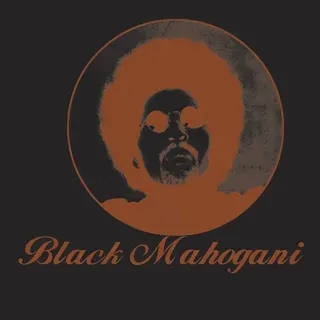
First released in 2004 and newly reissued, Black Mahogani remains his defining statement: a love letter to Black Detroit and one of the most ambitious house albums ever made. Growing up surrounded by Black life, Dixon recalled that he only encountered white people “on TV or at the door shutting shit off.” The record captures that enclosed, self-sufficient world with uncanny intimacy. Marvin Gaye samples bleed into snippets of conversation from friends wandering through the studio. You can almost smell the barbecue smoke and hear the bass of a passing Cadillac. Moodymann builds a sonic neighborhood—where house, jazz, gospel, and funk meet on equal footing, forming a living ecosystem of Black sound.
In “Runaway,” local singer Roberta Sweed preaches through a haze of electric piano stabs, her voice half-sermon, half-swoon. Norma Jean Bell’s sax wails from what feels like a nearby club, while the kick drum punches through like a block party down the street. Every detail reimagines Black public space as a site of joy and resistance, where learning and healing happen outside white gaze or approval.
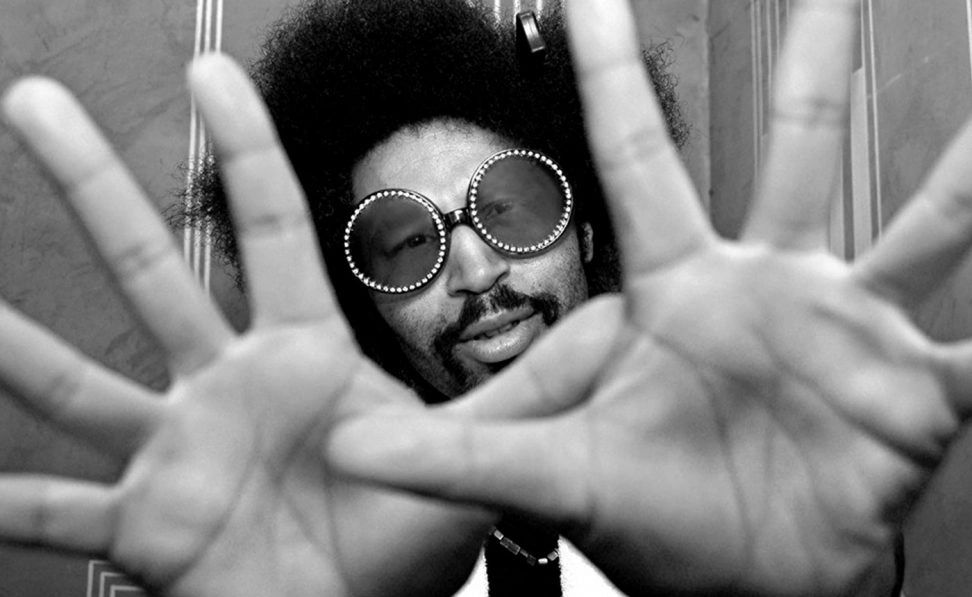
Black Mahogani also revels in its sensuality. Moodymann’s music has always been horny in a deeply human way—aware, funny, even spiritual. The moans of “Roberta Jean Machine” flirt with parody before dissolving into harp glissandos and soft pads, turning lust into transcendence. Even the eerie “Riley’s Song,” full of echoing shrieks and negative space, simmers with heat. For Moodymann, eroticism and faith are two sides of the same rhythm; to catch the Holy Ghost might feel a lot like climaxing on the dancefloor.
By its final stretch, Black Mahogani morphs into something almost cinematic. “Mahogani 9000” weaves together Blaxploitation dialogue, Curtis Mayfield yelps, and chopped-up fragments of earlier songs, bending traditional house structures into something more narrative. Its abrupt groove changes mimic the chaos of a Detroit night—alive, restless, and always political beneath the sweat. You can dance to it or decode it, and it works either way.
Two decades later, Black Mahogani still sounds alive—sacred, dirty, and impossibly cool. It’s not just Moodymann’s masterpiece; it’s Detroit’s heartbeat, pressed to wax.
About the Author