In a 2008 interview, Prodigy of Mobb Deep was asked if he feared death. Mortality had always been his shadow — haunting his verses, shaping his worldview, and fueling his intensity. Few rappers could channel the quiet dread of life-or-death stakes quite like him. His answer, delivered with the same unflinching conviction that made him a legend, reflected a man hardened by both pain and purpose: “Every day I wake up like, ‘This might be my last day, and I’m not scared of it.’ I’m never scared to bite my tongue about something, or to come out and speak about something. Like, I ain’t scared of death. What you gonna do to me?”
Nine years later, at just 42, Prodigy died in a tragically ordinary way. While touring with Havoc in Las Vegas, he was hospitalized due to complications from his lifelong struggle with sickle cell anemia. There, he choked while eating unsupervised and passed away — a cruelly mundane end for someone who had spent decades staring down mortality in his music. His family later filed a wrongful death lawsuit against the hospital. For Havoc, the loss was devastating — not only had he lost a collaborator, but a brother, his creative mirror. It took years before he felt ready to honor P properly. “You wanna do something to send your comrade off with a 21-gun salute… because he deserves that,” Havoc said recently on the Bootleg Kev podcast.
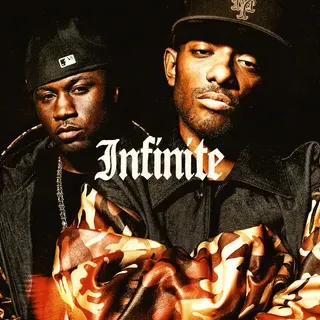
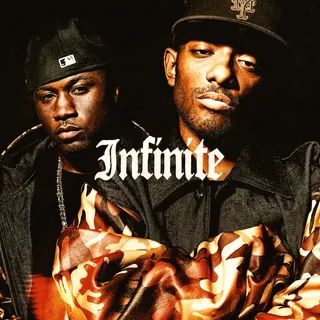
With the help of longtime ally the Alchemist, Havoc finally found that salute. The result is Infinite, Mobb Deep’s ninth album and the latest installment in Mass Appeal’s Legend Has It series — the first to feature a posthumous artist. Posthumous projects are notoriously tricky, but Infinite manages to feel natural, even inevitable. For better and for worse, it plays like an album Mobb Deep might have made after 2014’s uneven The Infamous Mobb Deep — a return to their signature dark sound, updated with subtle modern tweaks.
Lyrically and thematically, the clock seems turned back. Aside from the occasional modern reference — a stray COVID bar here, a clumsy Havoc joke about “getting canceled” there — the album lives in the timeless grit of Queensbridge. “Taj Mahal,” named after Trump’s old casino, evokes the cold flash of their ‘90s glory days. Havoc handles most of the production himself, crafting 11 of the album’s 15 beats, while the Alchemist contributes the remaining four, channeling the grimy textures of Murda Muzik and Infamy.
The best Havoc productions always warped familiar sounds into something menacing, and Infinite doesn’t stray far from that formula. Tracks like “The M. The O. The B. The B.” and “Mr. Magik” fuse the sinister edge of vintage Mobb Deep with the muted drum patterns Havoc once lent to Kanye’s The Life of Pablo, adding a surprising sense of space and weight. The Alchemist, meanwhile, leans into his signature style — all raw drums and echoing loops. “Taj Mahal” glimmers like something off a forgotten Street Sweepers tape, while “Score Points” and “My Era” could easily slot into one of his classic collaborations with Prodigy.
And Prodigy’s presence is everywhere. He isn’t treated like a ghost or a cameo — he’s the co-star. His vocals appear on every track, anchoring the project in his trademark grit and precision. On “My Era,” he snarls, “RIP, you can’t son me / My pop’s dead,” with that same chilling detachment that defined him. While some verses revisit old themes, they’re delivered with a finality that feels poignant, not repetitive. Havoc and Alchemist handle his vocals with reverence, tightening seams and polishing edges without diluting his essence. Most importantly, the chemistry between Havoc and Prodigy — the hard-nosed back-and-forth that defined Mobb Deep’s legacy — remains intact.
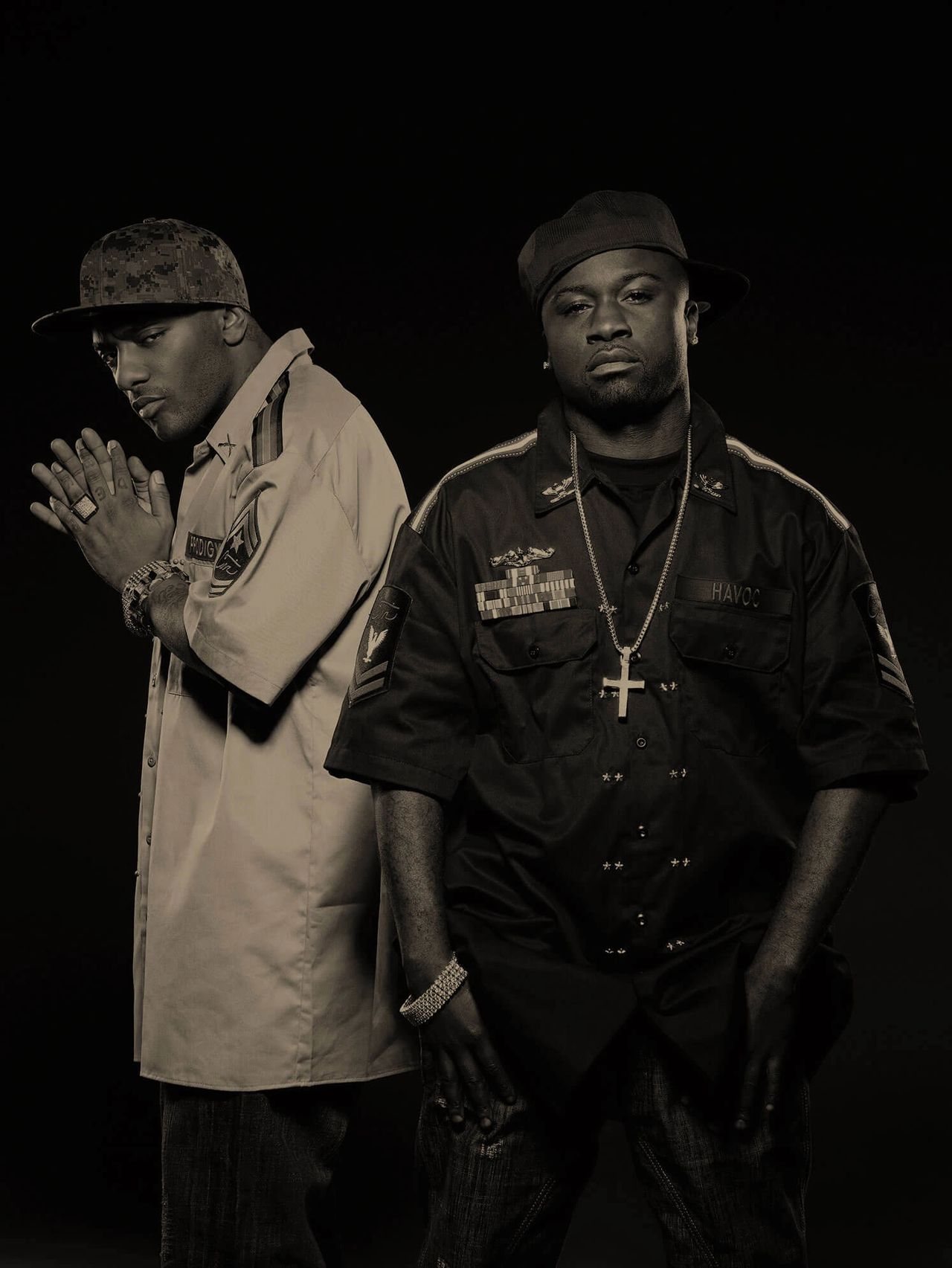
“Mr. Magik” captures that magic best, as the two trade bars like sparring partners, ducking feds and flexing old-school bravado. “Easy Bruh,” with its dusty drums and siren wails, feels cut from the same cloth — Prodigy’s sharp one-liners (“Niggas mad? Put a cape on ’em / Now they super mad”) inject a rare bit of humor amid the grit. At its best, Infinite feels effortless — two veterans comfortable in their weathered skin, not chasing trends but refining what they built decades ago.
Still, there are moments when the formula wobbles. Some guest appearances land perfectly — Big Noyd’s nasal bark on “The M. The O. The B. The B.”, or Ghostface Killah and Raekwon gliding over “Clear Black Nights.” But others feel unnecessary. The Clipse’s feature on “Look at Me” comes off more like a marketing play than genuine chemistry, while Nas drops in with the same boilerplate verses he’s been coasting on in his recent King’s Disease run. “Down For You,” which flips Samuel Barber’s “Adagio for Strings” into a lush love ballad, is a standout — though its late-album reprise, with Jorja Smith’s hook swapped for H.E.R., feels like padding.
The modern rap landscape is littered with awkward posthumous releases — albums that blur the line between tribute and exploitation. Infinite avoids those pitfalls. It’s not a cash grab or a Frankenstein of recycled verses. There’s no tension, no exploitation — just two lifelong collaborators reconnecting across the divide. Hearing Prodigy again — rapping about death, the cosmos, and enemies both real and imagined — is bittersweet. On “Pour the Henny,” he predicts his own end while “staring up at the cosmos,” his fatalism sounding eerily prophetic.
Infinite may not reach the monumental heights of The Infamous or Hell on Earth, but it doesn’t need to. It’s a graceful coda — a reminder of what Mobb Deep stood for: raw truth, cold survival, and brotherhood forged in darkness. As Prodigy once said, death never scared him. And on Infinite, it sounds like he finally made peace with it.
About the Author