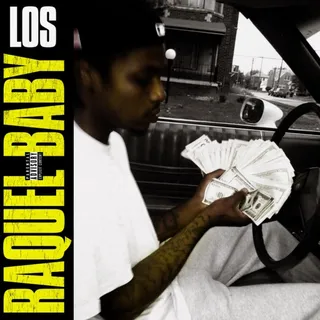
Los has always been a master of the hyperreal, chronicling Detroit’s streets with a gruff, matter-of-fact delivery that makes every corner, every burner phone, and every hustler’s grind feel tangible. With Raquel Baby, though, there’s a new texture to his world—one that stretches beyond the grayscale of his usual narratives and lets color seep in. The album opens like a sound collage, weaving mentions of “Raquel” from past work into a trippy, devotional overture. It immediately frames the record as an ode: to family, to life, and to the game itself.
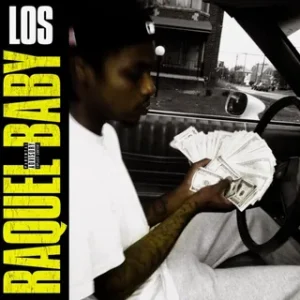
Over the lean 21-minute runtime, Los demonstrates why his economy is as lethal as his storytelling. Production here is dazzling, pushing against the hermetic boundaries of his past work. Tracks like Dancing Wit the Devil sparkle with ’80s orchestral stabs and splashy snares, while Abuse My Love layers glassy synths and SZA-like vocals into something hypnotic and unexpected. Even a song like Put Ya Boots On—a beat that could easily vanish among countless trap templates—stands out with New Orleans bounce in its rhythm. Coach Carter transforms a familiar hypnotic keyboard line into a psychedelic highlight, showing Los’ willingness to explore while staying unmistakably himself.
Lyrically, the album takes a step back from relentless street narratives, giving space for reflection. On Back on My Set, he confronts survival in his world, while Money Goin Money Coming carries quiet gratitude, acknowledging the unseen hand guiding him. Moments of humanity punctuate the record: jokes shared with old friends, memories of lost loved ones, encouragement for those still struggling.
What makes Raquel Baby so compelling is that Los’ signature grit remains, but it’s tempered with lightness, humor, and even warmth. The album doesn’t just report the streets—it invites you in, letting you feel the world he’s built, bruises and blessings alike. It’s raw, it’s vivid, and it’s unmistakably Los.
About the Author