Hüsker Dü’s “Flip Your Wig” doesn’t feel like a song so much as a dispatch from a pre-social-media world, a manic status update from the eye of the hype storm that surrounded Minneapolis’s three most mercurial punks in 1985. The opening track of the band’s major-label debut is an unusually intimate collaboration: Bob Mould and Grant Hart, notoriously prickly co-conspirators, share lead vocals, their optimism laced with skepticism. “Sunday section gave us a mention / Grandma’s freakin’ out over the attention,” Hart sings, giddy yet wary, alert to the hangers-on circling the band’s sudden visibility. “No matter what I choose / I’m the one they wanna use.” Cynicism and excitement coil together, two sides of the same restless coin.
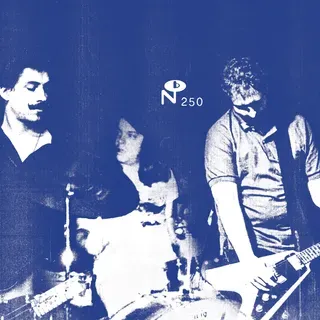
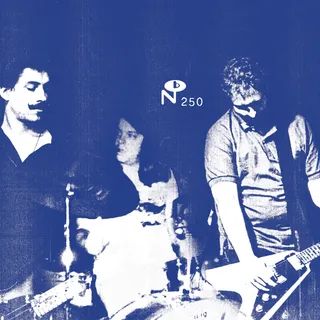
A new Numero Group box set, 1985: The Miracle Year, expands that two-and-a-half-minute snapshot into a full-blown time machine. Sandwiched between the release of New Day Rising and Flip Your Wig, the two-disc collection captures Hüsker Dü in the apex of their SST-era output, a band whose prolificacy often outstripped the sonic fidelity of their recordings. Between 1984 and 1987, they released five albums that distilled melody and noise into the blueprint of modern indie rock. Yet those recordings—tightly wound, low-budget, frequently swallowed by Mould’s omnipresent guitar squall—rarely conveyed the unrelenting energy of the band’s live attack. With Minnesota Miracle, the first disc, Hüsker Dü’s fury and precision finally get their proper stage: a January 1985 First Avenue homecoming, recorded on a professional 24-track mobile rig, two weeks after the release of New Day Rising. The setlist skips over much of Zen Arcade—their still-smoldering magnum opus—favoring new material that hadn’t yet been laid down in the studio. The result is less nostalgia than a raw, kinetic initiation into the band’s current momentum: an hour of unflinching speed, no banter, no mercy, a relentless assault on both audience and ears.
Hüsker Dü are often framed as a hardcore band who learned to write pop songs, but here the distinction collapses. Mould’s fuzzed Flying V riffs hover like radioactive clouds, blurring the line between lead, rhythm, and feedback, while Hart and bassist Greg Norton propel the songs with a battering-ram insistence. Tracks like “Hate Paper Doll” and “Books About UFOs” hit with the force of a hockey check, yet the melodies maintain their buoyancy—“Divide and Conquer” is a litany of dystopian, barked verses, and still it swings like a ’60s psych-pop jam. When the trio dips into actual Beatles and Byrds covers, it’s less homage than prophecy: proto-shoegaze bleeds through the eruptive “Eight Miles High” and “Helter Skelter,” volcanic reinterpretations that suggest a future where melody and noise fuse seamlessly.
The second disc, More Miracles, mines tours across the U.S. and Europe in 1985, filling gaps in the band’s recorded legacy and showcasing embryonic versions of songs that would appear on 1986’s Candy Apple Grey. Tracks like “Hardly Getting Over It” hint at the grunge-gaze future of alternative rock, even as the band’s volume and velocity remain at full tilt. The disc’s looser fidelity and bootleg hiss lend perspective: Hüsker Dü’s brilliance wasn’t only in their songwriting but in the chaos, joy, and sheer physicality of their performance. Moments like “All Work and No Play”—a seven-minute, crowd-driven rocker—underscore that, for all their industrialized intensity and eventual interpersonal collapse, they were having fun, thriving on the nervous energy that would eventually burn them out.
1985: The Miracle Year is a restorative act, bottling the tension, euphoria, and inexhaustible drive of Hüsker Dü at their peak. It’s the closest we’ll ever get to feeling the band in full, unfiltered force—like stepping into a time machine and standing, wide-eyed and slightly deafened, in the eye of an indie-rock perfect storm.
About the Author