Chicago drill has aged like a haunted time capsule—open it today and you’re hit with a decade of ghosts. The genre that once felt like a crackling live wire now reads like an endless in memoriam reel, stitched together by Zacktv interviews and DGainz/A Zae videos where teenagers freestyle as if they had whole futures ahead of them. Scroll the comments and it’s a chorus of grief disguised as hindsight: They could’ve been. They should’ve been. In a scene defined by casualties, the fact that G Herbo is still here—still rapping, still remembering—already makes him feel like the last historian standing, the one kid from the era who somehow made it to 30.
To understand the force of Lil Herb’s arrival, you really did have to be there. When he first hit YouTube, he looked like a wiry 16-year-old in Polo, but sounded like he’d been chain-smoking through a warzone. “Kill Shit” and “Gangway” detonated far beyond Chicago; even in New York, where out-of-towners rarely earned anthem status, Herb got the kind of reverence hoops kids save for Paul George highlight reels. What set him apart wasn’t just the grit. Compared with Chief Keef’s icy detachment or Lil Durk’s plaintive sing-rap, Herb fused South Side trauma with echoes of Three 6 Mafia and Project Pat, dusting his menace with East Coast sensibilities. You could picture an alternate timeline where a teenage Herb is ripping freestyles on a Kay Slay tape. That hybrid DNA gave him unusual longevity—the ability to grow up, slow down, and look back without losing intensity.
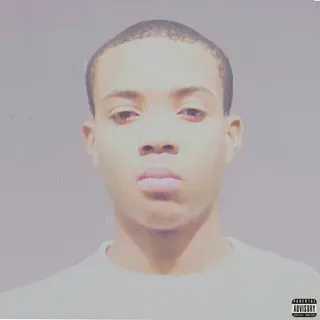
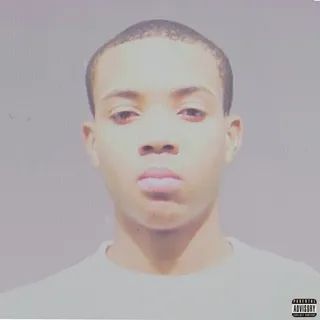
Lil Herb, his new loose concept album, is both a return and a reckoning. Mostly recorded in Chicago, it revisits the drill era not through nostalgia’s haze but through the crisp, adult clarity of someone finally able to reread his own origin story. Herb widens the frame: instead of the immediacy of ducking bullets and sprinting down blocks, we get the older narrator from The Sandlot saying, This is who we were before the world got to us.
The storytelling is the sharpest he’s ever put on an album. “Give It All” compresses an entire childhood into two and a half minutes—bus rides, juke parties, the thrill of getting fly, then the slide into guns, beefs, and premature adulthood. “Fallen Soldiers,” all smoky introspection and unflinching detail, wrestles with survivor’s guilt in a way that reads almost like fiction until you remember it’s all real. And “Blitz” is pure adrenaline: Meek Mill urgency over percussion that sounds like live gunfire, an unnerving creative choice that feels truer to his memory than any documentary.
But Herb still can’t resist the “big album” reflex. Tracks like “Every Night,” with its sweeping choir intro spelling out the narrative themes like bullet points, feel dutiful rather than essential. The radio-tailored moments—“Whatever U Want” with Jeremih, or the Anderson .Paak-assisted “Thank Me”—have the sugary sheen of Coloring Book cosplay. Herb’s heart isn’t in these attempts at uplift; his real voice returns the moment he stops trying to be respectable and just raps his ass off, like on the unexpectedly sharp two-hander with Wyclef Jean.

Herbo’s brilliance has always been clearest in the margins—in the freestyles, cold-hearted loosies, and one-off features where his punchlines tumble out with Jadakiss-like relish. That looseness reappears on Lil Herb more than on any of his previous studio efforts. “Went Legit” earns its hook-less popularity with razor-edged, half-funny, half-soul-crushing detail. “Longevity” finds him flipping syllables like he’s back on a Kay Slay street tape, snapping through alphabet bars and trap-house memories with a smirk. Even the motivational moments land harder than usual: On “Reason,” when he asks himself, “If it weren’t for rap, where would I be instead?” and answers with a bleak, staccato “Probably jail, probably, probably dead, probably,” it feels like the album’s thesis delivered in one exhale.
Lil Herb isn’t just a project—it’s the closest he’s come to giving the drill era its adult memory. The kid who once rapped like he was dodging gunfire in real time is finally pausing long enough to look back at the wreckage, to say what it cost, and to marvel—quietly, almost disbelievingly—that he’s still here to say anything at all.
About the Author