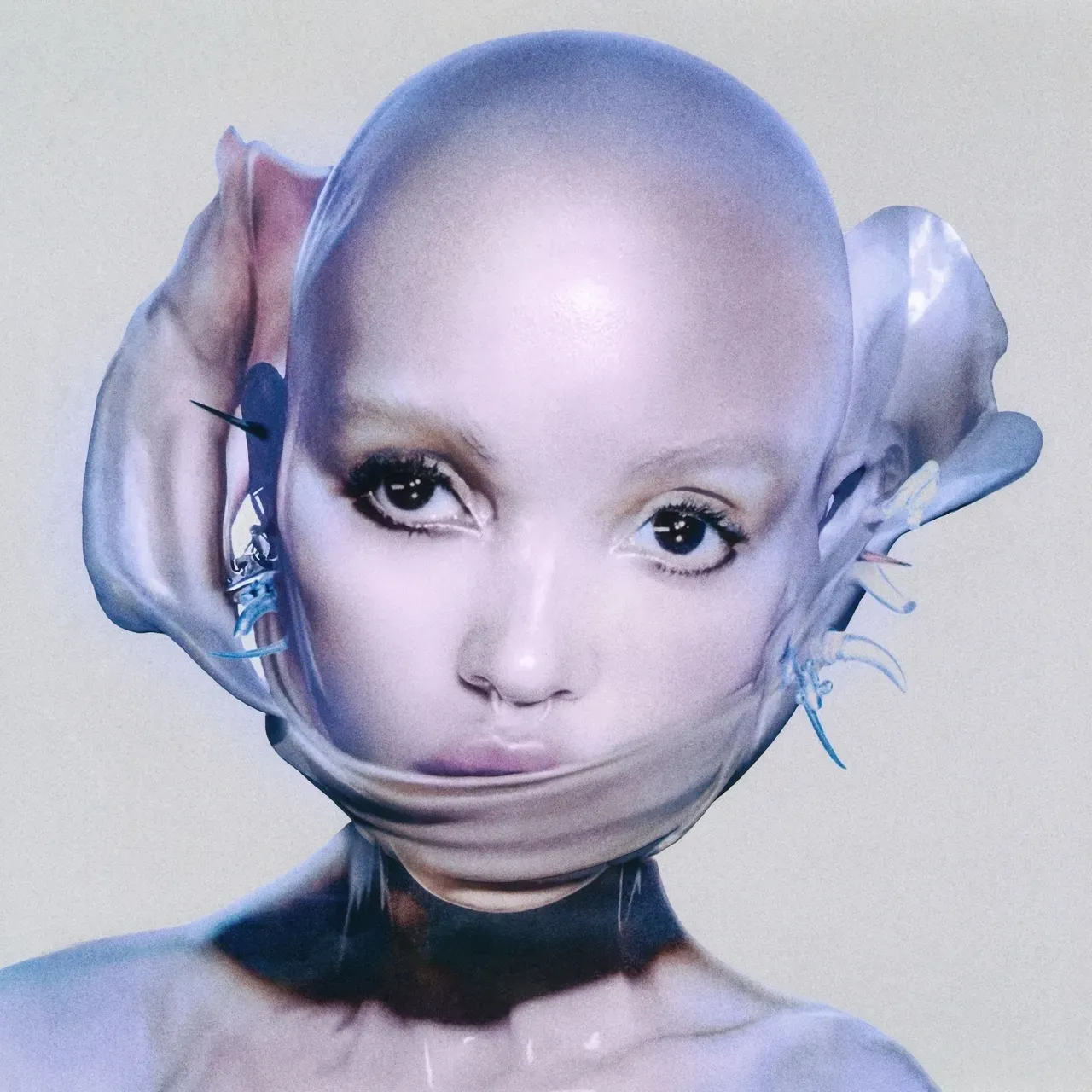
FKA twigs has never been more visible, and never more amused by it. “I think being famous is funny,” she shrugs on “Wild and Alone,” a line tossed off with the same weightlessness as the track’s gravity-defying Jersey-club vocal chops. For an artist who once unraveled herself on the operatic ache of “cellophane,” this sudden breeziness feels like a pivot—twigs treating fame less like an existential burden and more like a cosmic joke. Enlisting PinkPantheress, patron saint of bedroom-pop brevity, she reframes her lifelong themes—self-mythology, isolation, the emotional static of public life—with a wink instead of a wound.
But 2024 hasn’t been all levity. After January’s EUSEXUA (now a Grammy nominee and perhaps her clearest crystallization of club-schooled vulnerability), twigs became an unwilling protagonist in a handful of micro-dramas. There was the postponed North American tour, derailed by production-team visa issues; the Discord message chastising her own fandom for a “parasocial nightmare”; the viral Resident Advisor snippet where she wondered, perhaps too plainly, “Where are the thinkers?”—a line that became instant discourse chum. The deluge of bad-faith readings almost proved her point: the thinkers are exhausted, and the internet simply has time.
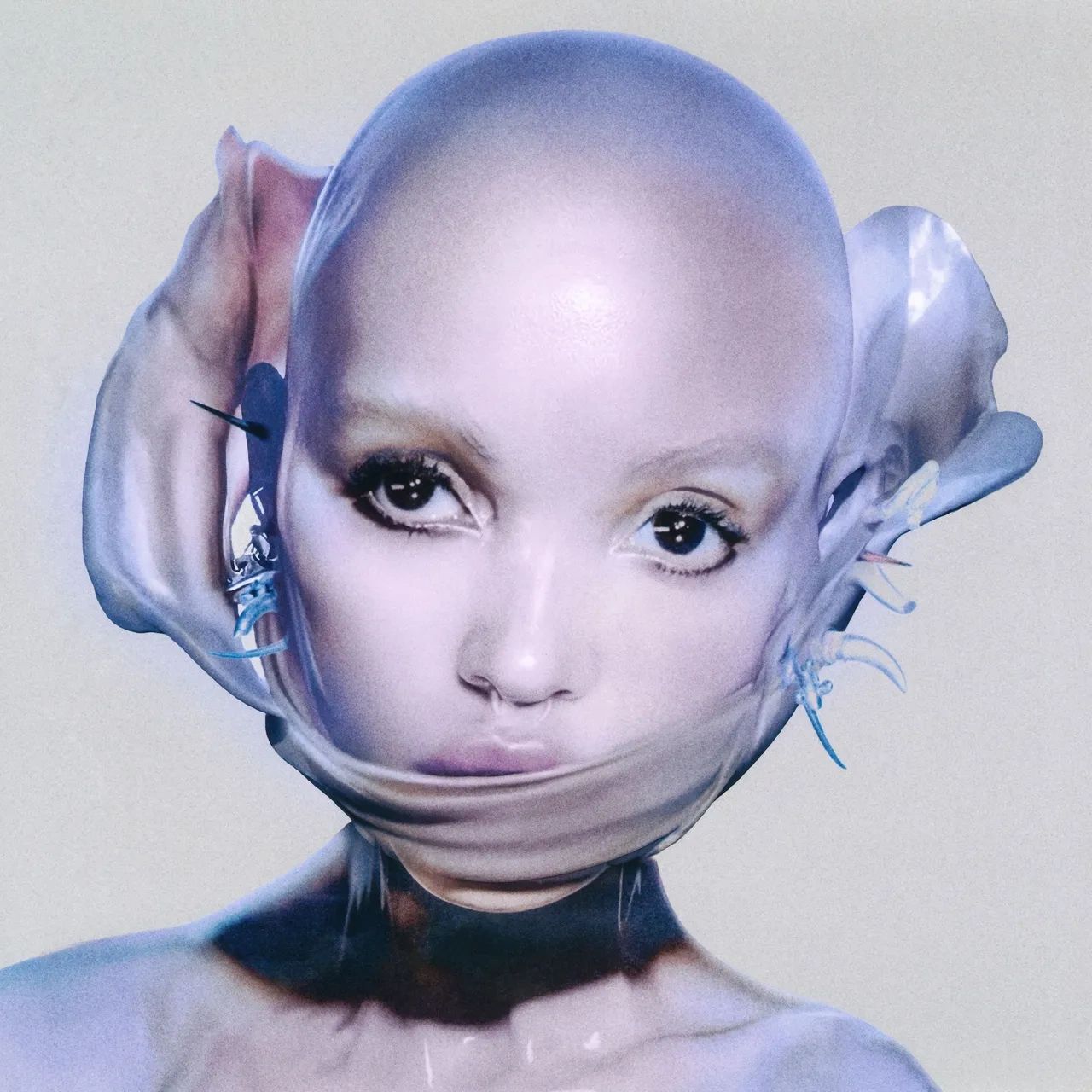
Somehow, amid the noise, she engineered her most unhinged rollout yet. A “deluxe edition” of EUSEXUA mutated into a full second album, Afterglow, announced casually on a festival stage like a surprise party she threw for herself. On release day, she complicated things further by uploading a reworked version of EUSEXUA also titled EUSEXUA—same name, new cover, altered tracklist, swapped songs, inserted new ones, and a disorienting logic that mirrors the labyrinthine life of a modern pop auteur. The result is neither deluxe nor remix but a shimmering alternate timeline, a phantom limb of the original record.
Afterglow, pitched as a loose chronicle of the night after the night out, picks up right where EUSEXUA’s rave-ecstasy left off. “Love Crimes” detonates with a four-on-the-floor throb beneath twigs’ whispered confessions, while “HARD” and “Predictable Girl”—with Mechatok’s crystalline, delirious production—meld R&B sensuality with club-kid vertigo. Elsewhere, the record drifts into the wobbly logic of the 6 a.m. afters: the Two Shell–assisted “Cheap Hotel” pairs helium-pitched twigs vocals with subterranean dub, a track that sounds both half-asleep and hyper-charged. “Slushy” and “Touch A Girl,” by contrast, slip by like half-remembered room-temperature cocktails, evaporating before they land. “Lost All My Friends” literalizes the panic of being abandoned in a club, but renders it in swooning, Enya-mist ambience—loneliness without the adrenaline.
The revised EUSEXUA, meanwhile, is moodier, more interior, and occasionally more puzzling. The excision of two of the album’s brightest sparks—“Girl Feels Good” and “Perfect Stranger”—feels almost sacrilegious; both were euphoric, Madonna-and-garage-kissed triumphs. In their place, twigs slots the techno-sheathed meditation “Perfectly” and the All Saints-coded R&B sigh of “The Dare,” songs that deepen the emotional palette even as they dim the record’s neon glow. Not all swaps land: the Kate Bush-leaning “Lonely But Exciting Road” pales beside the operatic drum’n’bass catharsis of “Wanderlust,” once the album’s closing revelation.
Across the 15 new tracks spanning EUSEXUA’s two mirrored versions, the standout is “Sushi,” a delirious, ballroom-brilliant burst of joy. twigs rattles off a week of dates—“Sushi on Monday / Dancing on Tuesday / Karaoke Wednesday”—with the liberated glee of someone rediscovering her inner child on the dance floor. It’s chaotic, horny, unserious, ecstatic—the spiritual cousin to EUSEXUA’s original playfulness, but sharper, freer, more alive.
The images on “Sushi”—twigs cycling through the city, cinnamon bun in hand, gearing up to scream “Gasolina” at karaoke—capture the essence of this era. EUSEXUA and Afterglow exist like club edits in perpetual motion, refusing the pop industry’s demand for a single “official” version. The multiplicity is the point: a record mutating in real time, an artist chasing instinct rather than orthodoxy, a reminder that dance music thrives on constant re-imagining.
The original EUSEXUA remains the masterpiece of the trio, but the new offshoots shimmer with moments of unfiltered delight and reckless invention. twigs has rarely sounded this unburdened—or this entertained by her own mythology. For an artist long associated with exquisite sorrow, this era feels like something radical: fun.
About the Author