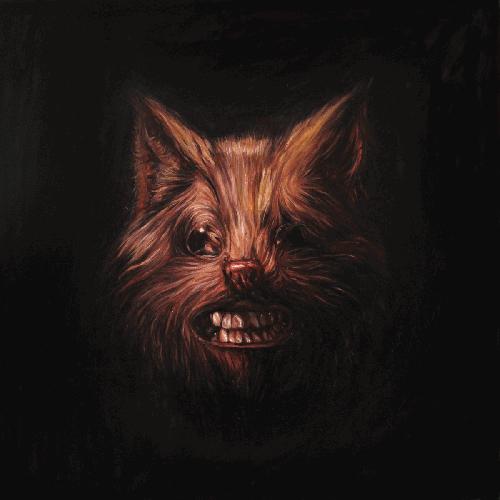
Listening to The Seer doesn’t feel like casually putting on an album—it feels like stepping into someone else’s nightmare and staying there longer than you planned. Swans demand attention, patience, and a certain emotional stamina. Michael Gira doesn’t guide the listener so much as confront them, forcing you to sit with repetition, tension, and discomfort until it starts to make a strange kind of sense. At nearly two hours long, The Seer is overwhelming by design, and that intensity is exactly the point.

Gira has described the album as something that took decades to form, and it truly sounds like a lifetime of ideas colliding. Elements from every era of Swans resurface here: the brute force of their early industrial days, the eerie restraint of their more melodic periods, and the ritualistic sprawl they later became known for. Nothing is rushed. Songs unfold slowly, building layer upon layer, often hovering on the edge of collapse before surging into deafening, cathartic peaks.
The title track is a perfect example, growing steadily as Gira mutters “I see it all” like a man convincing himself it’s true. “Avatar” feels like a slow ascent into something cosmic and unsettling, while “The Mother of the World” uses breath, rhythm, and minimal melody to create dread without obvious aggression. Even the gentler “Song for a Warrior” feels fragile rather than comforting, a brief moment of light in an otherwise hostile landscape.
What makes The Seer so powerful is how committed it is to its vision. Gira doesn’t sound nostalgic or mellowed by age—he sounds focused, driven, and unafraid to push both himself and the listener to uncomfortable limits. Swans don’t soften with time. They grow heavier, stranger, and more imposing, creating music that doesn’t just demand to be heard, but endured.
About the Author